
Results
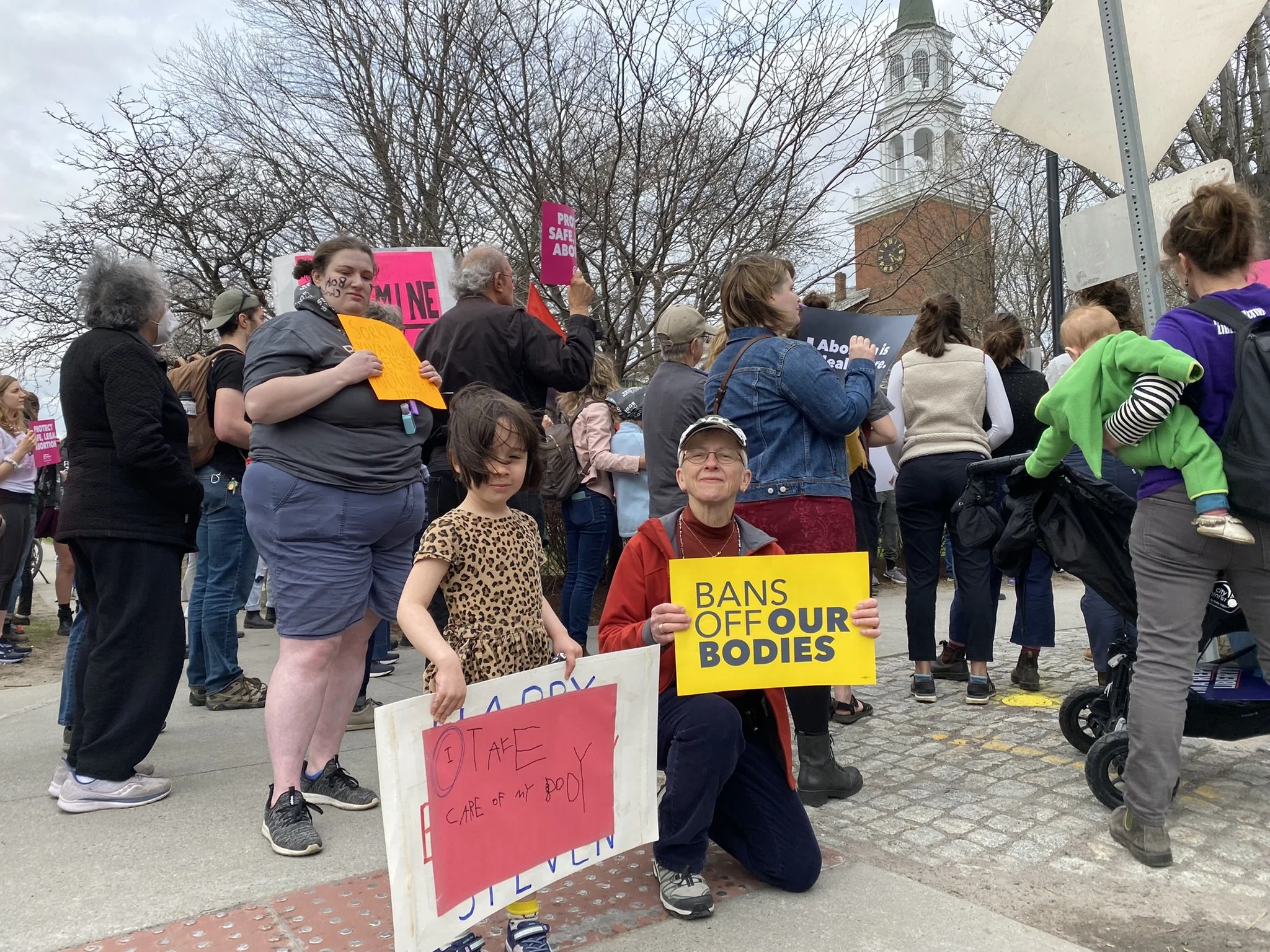
protecting our rights and turning the priorities of our community into action at the State House

2026
I was Vice Chair of the legislative public hearing on universal primary care and of the committee that finally took universal care legislation off the wall.
To strengthen the diversity and qualifications of our workforce, I partnered with Senator Wendy Harrison to pass Act 172 that created a path to licensing for internationally trained physicians and medical professionals.
Alongside dozens of youth, teachers and advocates, I worked to introduce and pass school-based mental health legislation, H.817. It was vetoed by Governor Scott but I’ll keep fighting to get kids and school staff the appropriate resources they deserve to be well.
I introduced legislation to limit the amount that commercial insurance can reduce reimbursement rates for mental health services, after a failed attempt by commercial insurers to reduce reimbursements to mental health providers by a whopping 24%—which would have obliterated entire practices.
We are not going to beat fascism by permitting it. That’s why when House leadership removed the ICE mask ban from S.208, I introduced the Amendment to put the mask ban back in.
I also voted in support of S.209 which prohibited civil arrest in locations like libraries, schools and government offices.
Making Health care more affordable, protecting access to care, and holding the systems accountable.
2025
I presented S.28 (Act 20), updates to our gender affirming care and reproductive rights laws on the House Floor. The legislation strengthened legal protections to visiting out-of-state providers from other shield states and reinforces defenses against out-of-state or federal restrictions targeting abortion or gender-affirming care. Act 20 also made telehealth access (via adaptive questionnaires) for medication abortion legal. It put all health care service advertising under the state Consumer Protection Act to prohibit untrue or misleading medical claims.
I presented our 340b drug reform legislation to the House. The law caps certain hospital-administered outpatient drugs at 120% of the average sale price (with critical access hospitals excepted). It is estimated to save $10.8 million for the State Employee Health Plan, $11.2 million in school employee coverage, and $20 million in Blue Cross’s individual and small group plans for a total of $42 million estimated annual savings. That’s money that stays in sick people’s pockets, instead of going to big pharma and PBMs.
I was one of two lead sponsors of HCR 110 Vermont’s first resolution to establish Black Maternal Care Month.
H.816 was a bill I introduced with the support of social workers, counselors and researchers at Dartmouth to clarify the lines between where professional mental health support begins and the role of artificial intelligence ends. When it passed, Act 156 banned AI from independently providing mental health treatment, counseling, or therapeutic services without a licensed professional. It does protect clinical trials so the mindfulness support and clinical technologies we love can continue to be appropriately developed.


Major Health Care Reform Legislation
Over the past two years I have been part of the leadership team on a committee that has worked to make care more affordable, strengthen primary care, and hold our healthy care system accountable. These reforms lay solid groundwork for universal primary care by addressing high costs, reducing barriers to care and examining how we could sustainably fund and deliver primary care for Vermont.
-
Act 68 directs the Green Mountain Care Board (GMCB) to implement Medicare-benchmarked reference-based pricing (RBP) for hospital services, with full implementation scaling toward global hospital budgets by 2030.
-
H.585 strengthens oversight of insurers, changes executive compensation and claims review rules, and addresses site-neutral reimbursement and drug cost-sharing design.
-
My committee also worked tirelessly on passing Act 111 to allow primary care providers to order diagnostic tests, imaging, and procedures without prior authorization. It restricts rigid "step therapy" or "fail first" drug policies. The goal is to reduce provider burden, streamline care and keep decision making between you and your provider.
-
S.197 explicitly set out to gather the information needed to develop a framework for universal primary care.
It directed the Agency of Human Services to look at current per person spending in primary care by payer
Payment changes necessary to cover routine primary care through the Blueprint model (recommendations due Jan of 2027)
A funding approach using the health care claims tax
Directed the Treasurer to work with AHS to explore a regional universal primary care program with other NE states.
Bringing Mental Health out of the margins and into the center of Vermont’s Health care policy
2024
In 2024 I introduced legislation that established Medicaid reimbursement for certified peer support services. Certifying peer support specialists (trained professionals with lived experience of a mental health issue) and recovery coaches to receive full reimbursement for bringing their expertise to the workforce is a cause I’m passionate about and have worked on for over a decade.
I support harm reduction measures, innovative community-based care and person-centered treatment for people living with a mental health challenge and/or in recovery. I was proud to vote yes in 2024 to establish overdose prevention centers.
2024 was an important year for civil commitment procedures including updating statute around our secure residential recovery facilities, psychiatric residential facilities for youth, and people with intellectual disabilities. I presented the amendment to S.192 by House Health Care to the chamber for debate and voting. When enacted, Act 137 allowed court-ordered treatment in secure residential facilities without someone needing to first be hospitalized (in a psychiatric hospital), established procedures for youth in psychiatric residential facilities and updated procedures for civil commitment for people with intellectual disabilities.
I have monitored implementation of policies like Act 183 and funding of student loan programs that offer financial assistance intended to reduce barriers to entering the healthcare workforce.
2023
In 2023 I led House passage of two bills, Acts 34 and 37, interstate counseling and psychology compacts that expanded licensing reciprocity.
I continue to push for legislation to promote the state’s participation in the Certified Community Behavioral Health Clinics (CCBHCs) so our providers can receive higher Medicaid reimbursement rates and operational improvement strategies to stabilize our system and our workforce— while bringing patients broader access to crisis response and same-day access to integrated care
Each year during budgeting, I’ve supported funding for translation and producing multi-lingual health care information and supports.